Applications
Mist duster or knapsack power sprayer? Choosing crop-protection equipment
By the Arbora export team. Published . 6 min read.
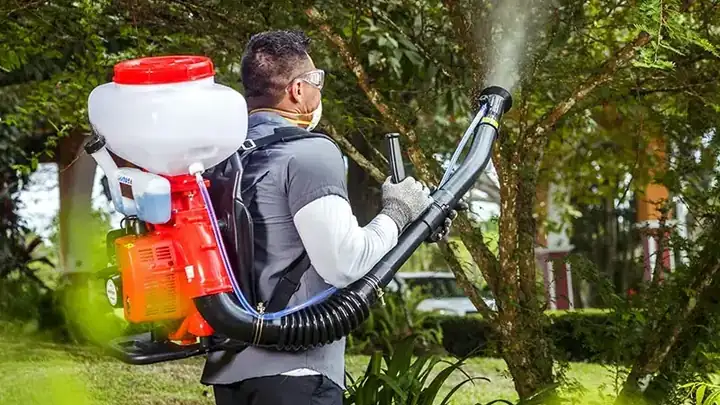
Short answerChoose a mist duster when you need reach and canopy penetration, such as in orchards, cocoa and tall crops. Choose a piston power sprayer for precise, high-pressure spraying of vegetables, vines and row crops. Choose a manual knapsack sprayer for smallholders and spot spraying where fuel and maintenance are a concern.
How does each sprayer work?
- Mist duster: a 2-stroke engine drives a fan. The air blast breaks liquid into fine droplets, or carries powder, and throws it a long distance.
- Power sprayer: an engine drives a piston pump that pressurises liquid through a nozzle on a lance.
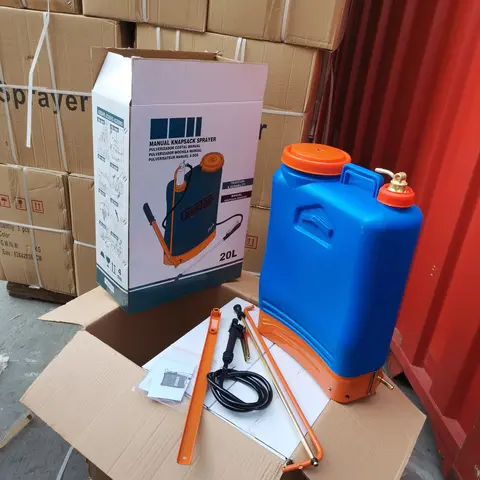
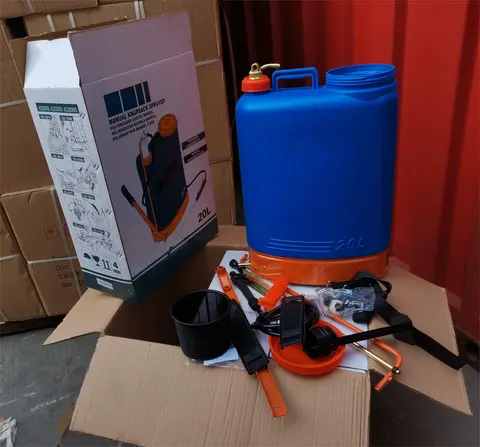
- Manual sprayer: the operator pumps a lever to build pressure in the tank.
Comparison
| Mist duster | Power sprayer | Manual sprayer | |
|---|---|---|---|
| Engine | 41.5–72.3cc 2-stroke | 26cc 2-stroke or 4-stroke | None |
| Tank | 14–20 L | 20–25 L | 16–20 L |
| Strength | Reach, canopy coverage, powder | Even droplets, low drift | No fuel, low cost |
| Best crops | Fruit trees, cocoa, coffee | Vegetables, vineyards, nurseries | Smallholder fields, spot weeds |
What should buyers check?
- Pump or fan housing material and seal quality, because chemicals attack cheap seals.
- Harness comfort with a full tank.
- Availability of nozzles, seals and spark plugs locally.
- Whether the machine includes both liquid and powder kits.
What about thermal foggers?
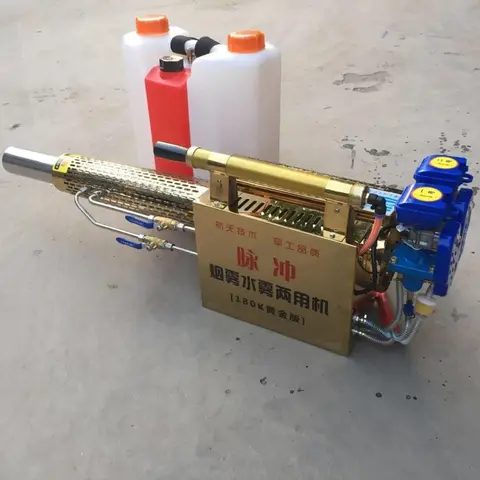
Thermal foggers turn a carrier liquid into a dense fog. They are used indoors (greenhouses, warehouses) and for mosquito control, not for normal field crops.
Our range
We build mist dusters such as the NTS420, SR420 and NTS423, the NTS768 25 L power sprayer, brass-pump manual sprayers and thermal foggers. Tell us your crops and we will recommend a configuration.
Related products
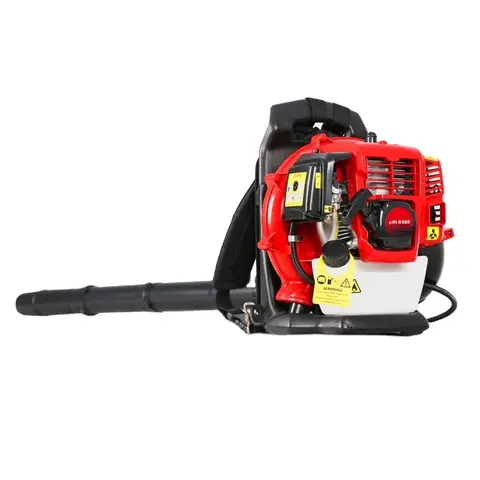
NTLB430 43cc 2-Stroke Mist Blower Sprayer
43cc, 2-stroke
Ask our team
Questions about this guide or a quotation. We reply within one working day.